Blog

High-End Replica Watch QC Guide: How to Avoid Common Defects Before Shipping

High-End Replica Watch QC Guide: How to Avoid Buying a Watch with Obvious Defects

In the high-end replica watch market, many watches are produced in batches. Because of this, even popular or higher-grade versions may still have small variations or occasional flaws in certain details. For buyers, the most important factor is not only the model, factory, or movement, but whether the seller is willing to carry out a proper QC inspection before shipping.

Most buyers worry about very practical issues before purchasing:
Will the case have scratches?
Will there be dust on the dial?
Will the clasp feel loose?
Does a loud movement mean there is a problem?

These concerns are completely normal, because replica watches are products that rely heavily on the seller’s inspection and quality control before dispatch.

So, if buyers want to reduce risk, the key is not simply comparing prices. The real priority is finding a trustworthy seller who is willing to carefully inspect the watch’s appearance, functions, and assembly details before shipment. When obvious issues are filtered out in advance, the buyer’s overall risk becomes much lower.

1. Why Is QC So Important Before Shipping a High-End Replica Watch?

Although high-end replica watches have become more refined in terms of appearance and structure, they are still essentially batch-produced and assembled products. As long as a product is made in batches, it is difficult for every single piece to be completely identical. Some watches may look excellent overall, while others may show slight assembly deviations or minor finishing issues.

This is exactly why QC is so important in the replica watch business. QC means inspecting the watch before shipment to identify obvious flaws in appearance and function, such as case scratches, dial dust, loose clasps, misaligned hands, or functional abnormalities.

For buyers, QC is not about demanding absolute perfection. It is about avoiding watches with obvious, visible problems. If a seller is willing to check carefully before shipping, many unnecessary after-sales disputes can be avoided from the beginning.

2. What Exterior Details Should Buyers Check First During QC?

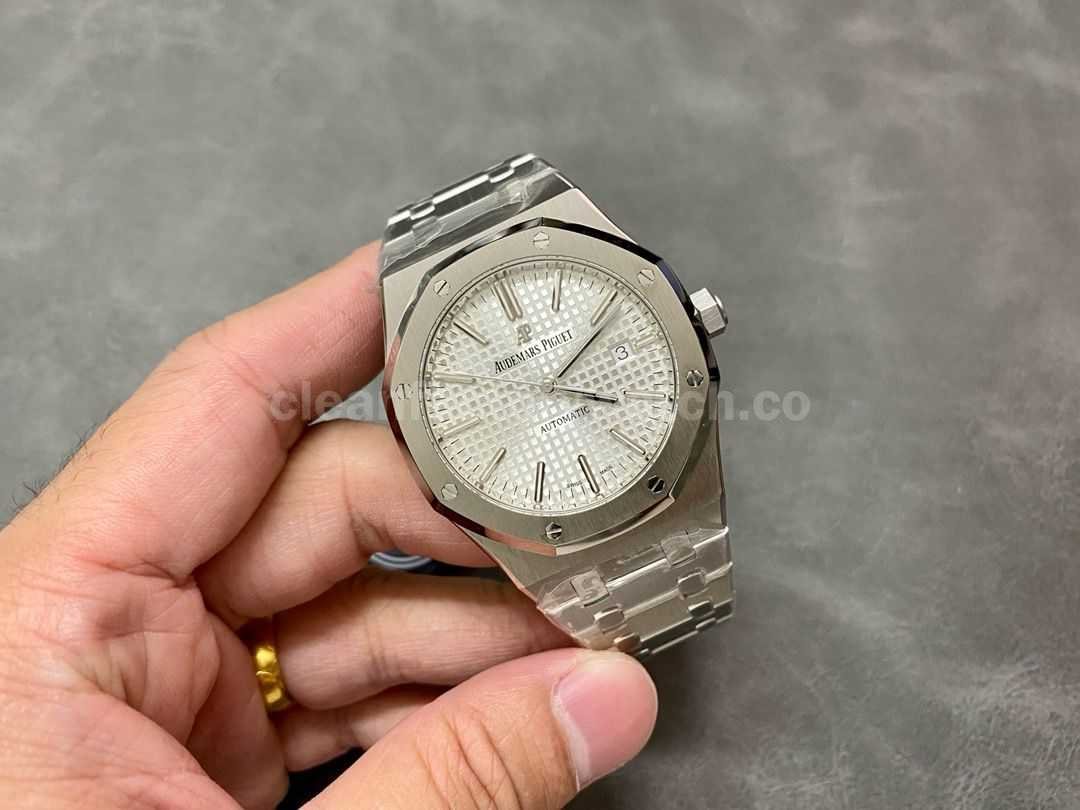
During QC, the first thing to inspect is the overall exterior condition of the watch. Buyers should check whether the case has any obvious dents, scratches, polishing inconsistencies, or edge damage. Special attention should be paid to the lugs, bezel edges, crown area, case back, and clasp, because these areas are more likely to show visible defects.

Most buyers judge the watch by its first visual impression. If there are obvious flaws in the exterior, then even a good movement and strong specifications will not create a satisfying experience. That is why sellers should ideally provide clear real photos before shipping, so buyers can confirm the case lines, finishing quality, and crystal condition.

For a high-end replica watch, minor production variation can be normal. However, obvious scratches, dents, and unnatural damage should not be considered acceptable for shipment. The value of a reliable seller is in helping the buyer eliminate these visible risks beforehand.

3. Why Are the Clasp and Bracelet Structure Also Important?

Many new buyers focus only on the case and dial, but the clasp and bracelet structure are equally important. Whether a watch feels secure on the wrist often depends on how well the clasp closes, how smooth the opening and closing action is, and whether the bracelet connection points feel stable.

Under normal conditions, the clasp should have a solid and clean closing feel. It should not feel overly loose, weak, unstable, or unable to lock properly. If the clasp itself is not secure, it will affect both wearing comfort and practical reliability.

The same applies to the bracelet links and end links. If the bracelet structure feels too loose or poorly fitted, the overall quality impression drops significantly. This is why QC should not focus only on front-facing photos. Buyers should also review the clasp closure, bracelet connection points, and overall structural fit. An experienced seller will pay close attention to these details because they matter a lot in real daily wear.

4. Are Dial Dust, Hand Marks, and Crystal-Side Details Common Problems?

The dial and hands are among the most closely inspected areas because they directly affect the watch’s sense of refinement. Under normal shipping standards, the dial should not have obvious dust, visible marks, or scratches. It also should not show assembly flaws that are clearly visible to the naked eye. If there is noticeable dust or debris under the crystal, it will strongly affect the overall visual impression.

As for the hands, in some cases a magnifier may reveal very small burrs or edges that are not perfectly flawless. In the replica watch market, this is not especially rare. As long as these minor imperfections cannot be seen under normal wearing distance, they are generally considered acceptable.

In other words, buyers should learn to distinguish between a normal manufacturing tolerance and a true visible defect. What should really be avoided are flaws that can be clearly seen in normal use, not tiny traces that only appear under strong magnification.

5. Does a Loud Movement Sound Mean the Watch Has a Problem?

This is one of the most common questions buyers ask. In reality, louder rotor or movement noise does not necessarily mean that the watch is defective. In the replica watch market, this is actually quite common, especially with modified movements, decorated movements, or certain Japanese-based modified calibers. These versions often produce more noticeable operating sound.

The reason for this usually comes from the rotor structure, movement modification method, additional plates, or the mechanical design itself. Because of that, buyers should not focus only on whether the movement makes sound. What matters more is whether the core functions work properly, such as automatic winding, time setting, date adjustment, and overall running stability.

If these functions perform normally, then a louder movement sound alone is usually not a sign of a defect. Especially with some modified movement versions, they are naturally not as quiet as a truly integrated high-end movement. This is a common characteristic in the market.

6. How Can Buyers Reduce the Risk of Receiving a Defective Watch?

The most effective way to reduce risk is not to chase the lowest price. Instead, buyers should prioritize sellers who are willing to provide careful QC, communicate honestly, and offer real inspection photos or videos before shipping. In replica watch transactions, many problems can be avoided simply by confirming important details in advance.

A trustworthy seller usually does not only talk about the factory or version. A good seller will also explain which details are considered normal and which problems should not be shipped at all. This kind of communication builds much stronger long-term trust.

Experienced buyers understand one simple truth: when buying a high-end replica watch, the goal is not to expect absolute perfection, but to find a seller who can filter out obvious flaws before the watch is sent. When the QC process is handled seriously, the chance of disappointment becomes much lower.

Frequently Asked Questions

Q1: Why is QC important before shipping a replica watch?
A: Because replica watches are batch-produced, small differences and occasional defects can happen. A proper QC process helps check the case, dial, clasp, bracelet, and movement functions before shipping, reducing the chance of obvious issues.

Q2: What should buyers check first during replica watch QC?
A: Buyers should first inspect the overall exterior, including the case, bezel, crystal, clasp, and bracelet. The key points are obvious scratches, dents, loose clasp issues, and visible assembly defects.

Q3: Is dust on the dial of a replica watch normal?
A: Very small microscopic particles may sometimes exist in batch production, but visible dust on the dial is not ideal. A reliable seller should inspect carefully before shipping and avoid sending watches with obvious dust or visible marks.

Q4: Are tiny imperfections on the hands normal?
A: In some cases, very small burrs or finishing marks may only be visible under magnification. If they are not noticeable to the naked eye during normal wear, they are generally considered acceptable in the replica watch market.

Q5: Is loud movement noise a quality issue?
A: Not always. Many replica watches use modified movements, and some versions, especially certain Japanese-based modified movements, can produce more noticeable rotor or movement sound. If the winding, time-setting, and date functions are normal, sound alone does not necessarily mean there is a defect.

Q6: How can buyers avoid getting a defective replica watch?
A: The best way is to choose a seller who provides real QC photos or videos before shipping and checks both appearance and movement functions carefully. A trustworthy seller helps filter out obvious issues before the watch is dispatched.

Leave a Reply

Your email address will not be published. Required fields are marked *